Explore the Past. Create Today. Inspire the Future.



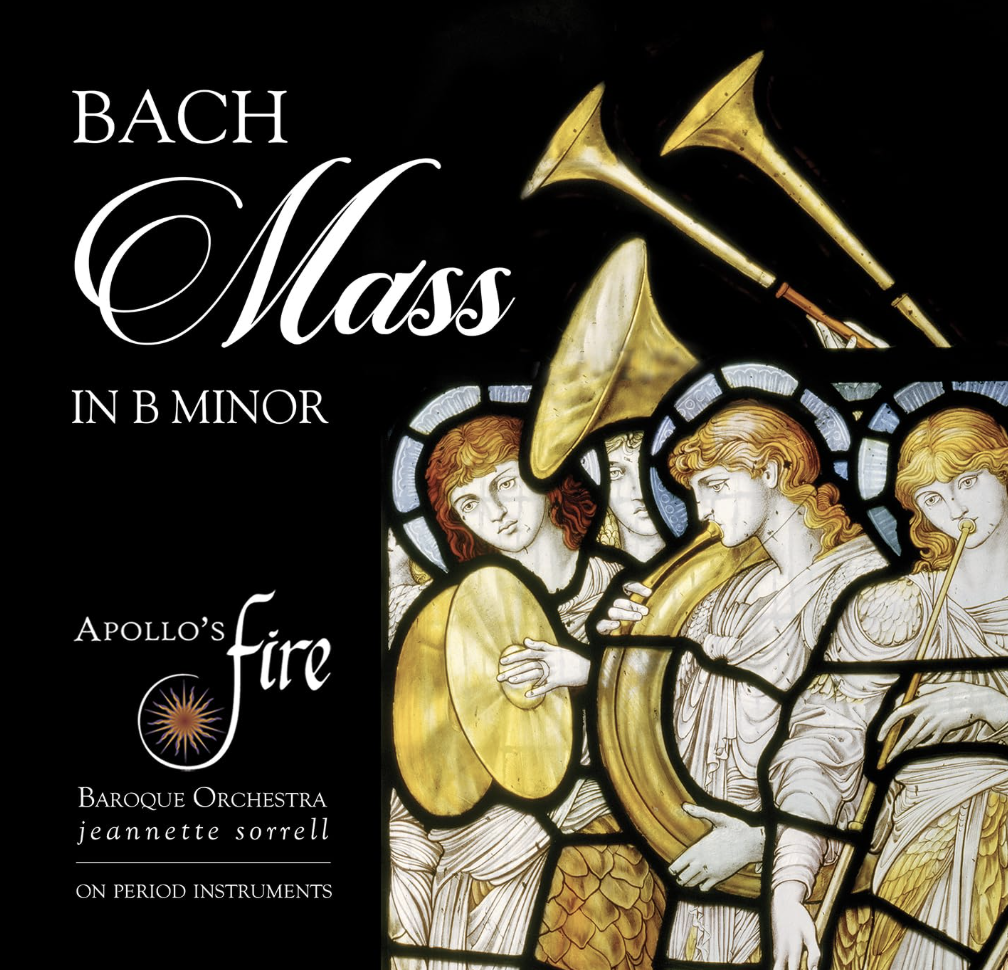
A Powerful B-minor Mass from Apollo’s Fire
Apollo’s Fire, led by Jeannette Sorrell, has just released possibly the best available small-sized period-instrument recording of Bach’s B-minor Mass. This is thanks to their vision of Bach’s concept of the Mass setting as a whole with nothing amiss: correct choices of tempi, balances of orchestra, chorus, and solo voices.

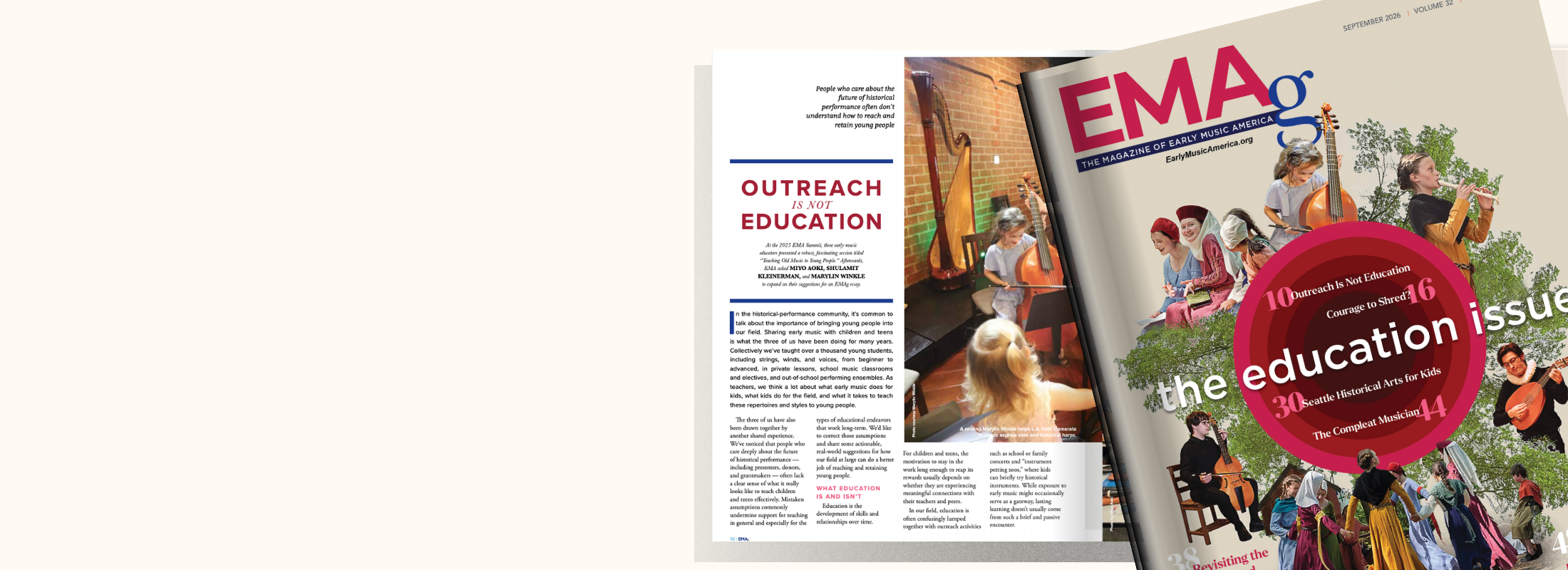
An early-music field with a desire to sustain specialists — and, notably, to keep its academic programs in existence — must treat repertoire planning as a labor issue, not just an artistic one.

After pandemic stumbles and closures, a few key leaders are recharging Seattle’s early-music landscape with a home-grown, artist-led business model. ‘I think people have had enough of consuming art online. They want in-person experiences again.’
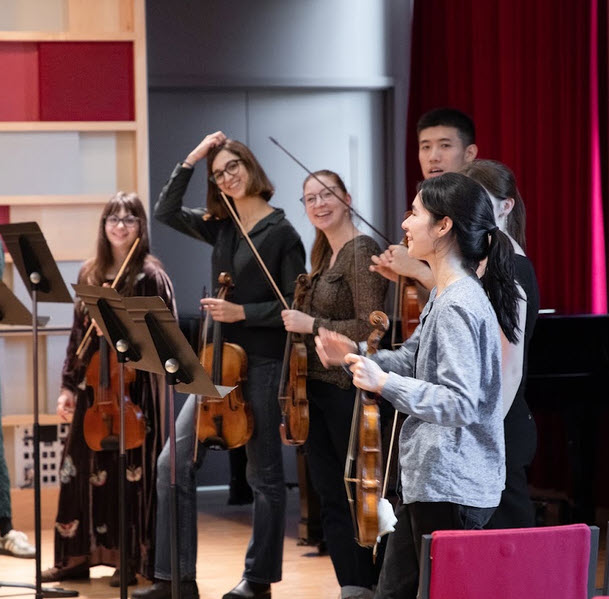
Training the Compleat Musician
New England Conservatory’s Pratt Early Music Program aims to teach historical performance practice to “modern” instrumentalists and to populate symphony orchestras in the future. As collegiate early-music education is facing budget cuts across the country, the Pratt Program shows a way forward — with dedicated funding.
Join EMA!
Join early-music lovers and leaders, and take advantage of unique benefits while supporting Early Music America’s service to the fields of early music and historical performance practice.
Open and Upcoming Applications
No current applications.