
Creating a more inclusive early music community
EMA recognizes that:
- Early music programming, curricula, and research are mainly Euro-centric, thereby excluding and discouraging some potential participants in the early music field.
- Administrations, ensembles, and audiences fall short in representing the diverse demographics of The Americas.
- Due to historical and systemic inequities, access to early music is not readily available to everyone.
IDEA Task Force Mission
The IDEA Task Force promotes EMA’s values of diversity and inclusion by advising EMA in its planning and implementation of strategic initiatives so that the early music field can begin to represent and embrace the many different communities of the Americas.
Please Contact EMA with suggestions, comments, and/or recommendations for our work in this area.
2026-2027 IDEA Task Force Members
Wei En Chan, co-chair
Anna Porcaro, co-chair
Yunyi Ji, secretary
Karin Cuéllar Rendón, board representative ex officio
Gus Denhard, board representative ex officio
Thomas Carroll
Keats Dieffenbach
Katie Hickey
José Miguel Huamaní
Michele Kennedy
Jeannette Lee
Breana McCullough
Eduardo Quintela
Qin Ying Tan
Nicole Vega
IDEA Task Force Guidelines
- The task force will comprise no more than 13 members.
- Task force members will be committed to the mission of the task force.
- Task force members will serve a 3-year term. At the end of their term, members have the option of renewing for a consecutive 3-year term.
- After the consecutive term is served, members may choose to serve 1 bonus year after which they will have to rotate-off the task force.
- After rotating-off of the task force for 1 year, former members may re-apply for task force membership.
- The full task force shall meet four times a year. Task force members are expected to participate in three out of the four full task force meetings during the year in fulfillment of their responsibilities.
- Task force members are invited and encouraged to attend EMA Board meetings (in-person or via Zoom), as non-voting participants; to participate in EMA Board training programs; and to actively participate on Board committees as full members of the following:
- Development
- Governance
- Awards & Scholarships
- Programs
- Finance
- Publications
- *Members of the EMA Board, other Board committees, and EPLC may attend IDEA task force meetings as non-voting members.
- Task force members are expected to review meeting agendas and notes in preparation for task force meetings, and especially if a past meeting was missed.
- Task force members are expected to maintain confidentiality about issues discussed in task force meetings.
- New and returning task force members and chairpersons will be selected by the IDEA Task Force application review committee, composed of the EMA Executive Director, EMA Board President, the continuing co-chair(s) of the task force, and the secretary of the task force.
- Applications will require an expression of interest to join the task force.
- Chosen applicants will be contacted by the application review committee about their potential serving on the task force, and then extended an invitation to start their term if selected. All persons are eligible to apply.
EMA Membership is not required at the time of application, however, task force members are offered a free EMA membership for the duration of their tenure on the committee, and are required to maintain an active EMA membership.
Resources
- Now We Listen! podcast: A podcast from the IDEA Task Force celebrating traditionally underrepresented performers, scholars, and research topics in early music and historically informed performance.
- Resources for Diversity in Early Music Repertoire
- Awake to Woke to Work: Building a Race Equity Culture
- Indictus: giving voice to overlooked and under-represented classical music
- Inclusive Early Music
- “Solutions for Change: Anti-Racism in Early Music” by Vijay Chalasani
- Expanding the Music Theory Canon resource by Paula Maust
- Black Voices Matter: A Pledge of Anti-Racism in Choral Practice
- BIPOC Arts – database of BIPOC opera professionals
- NIMAN – National Instrumentalist Mentoring + Advancement Network
If you know of a resource or article that you believe belongs on this page, please contact EMA with your suggestion.
Related webinar recordings and performance videos can be found on the EMA Video Resources page.
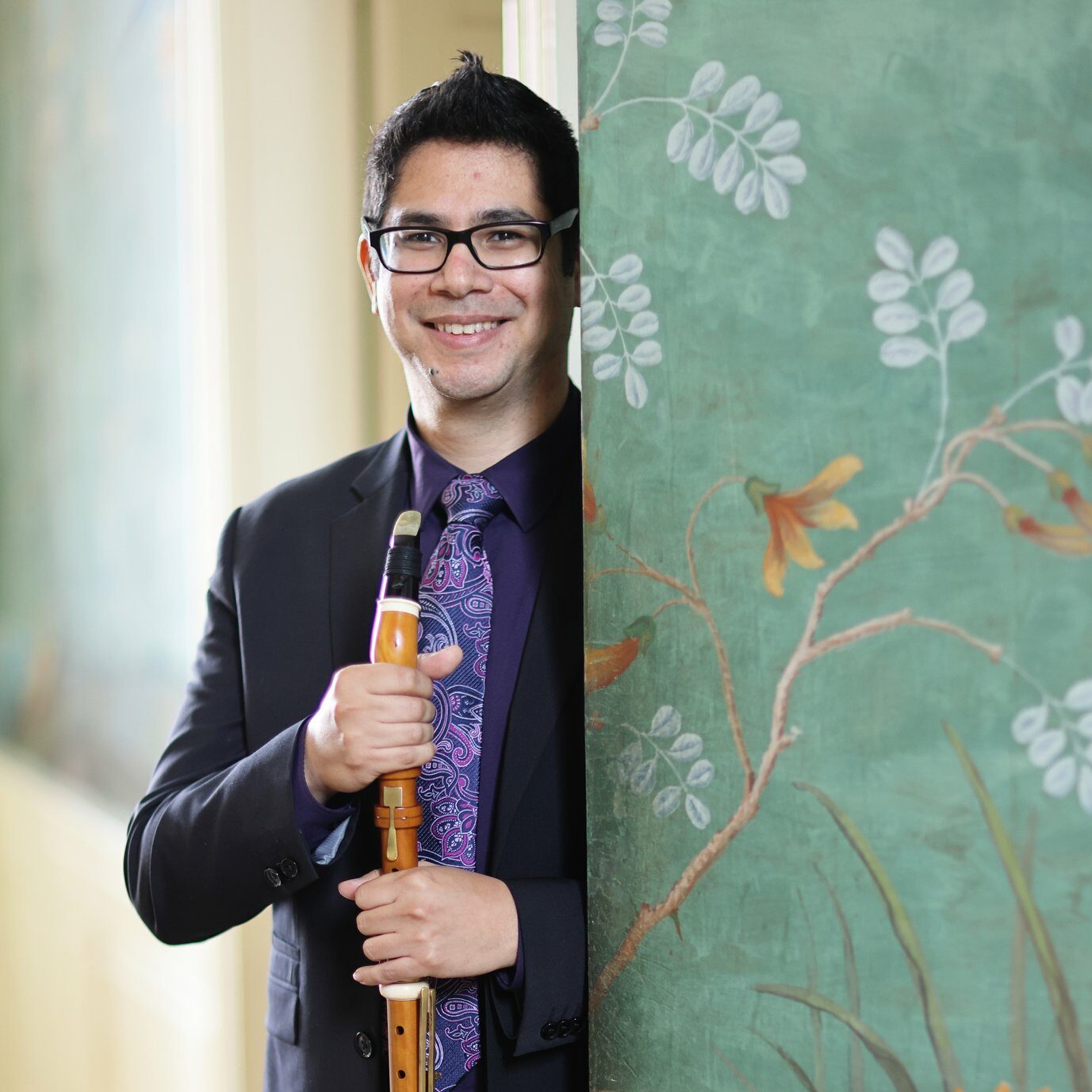
Thomas Carroll
he/himMy name is Thomas Carroll, Boston-based clarinetist and instrument builder. I hold degrees from Oberlin Conservatory, Indiana University, and The Royal Conservatory of The Hague, and currently perform as principal clarinet with Philharmonia Baroque Orchestra, Teatro Nuovo, Mercury Chamber Orchestra, and Boston Baroque, among others. As a researcher, my interests lie in examining the social impacts and influences of music, particularly as a means to question and reinvigorate the discussion of what or who determines the worth of a piece of music or composer.
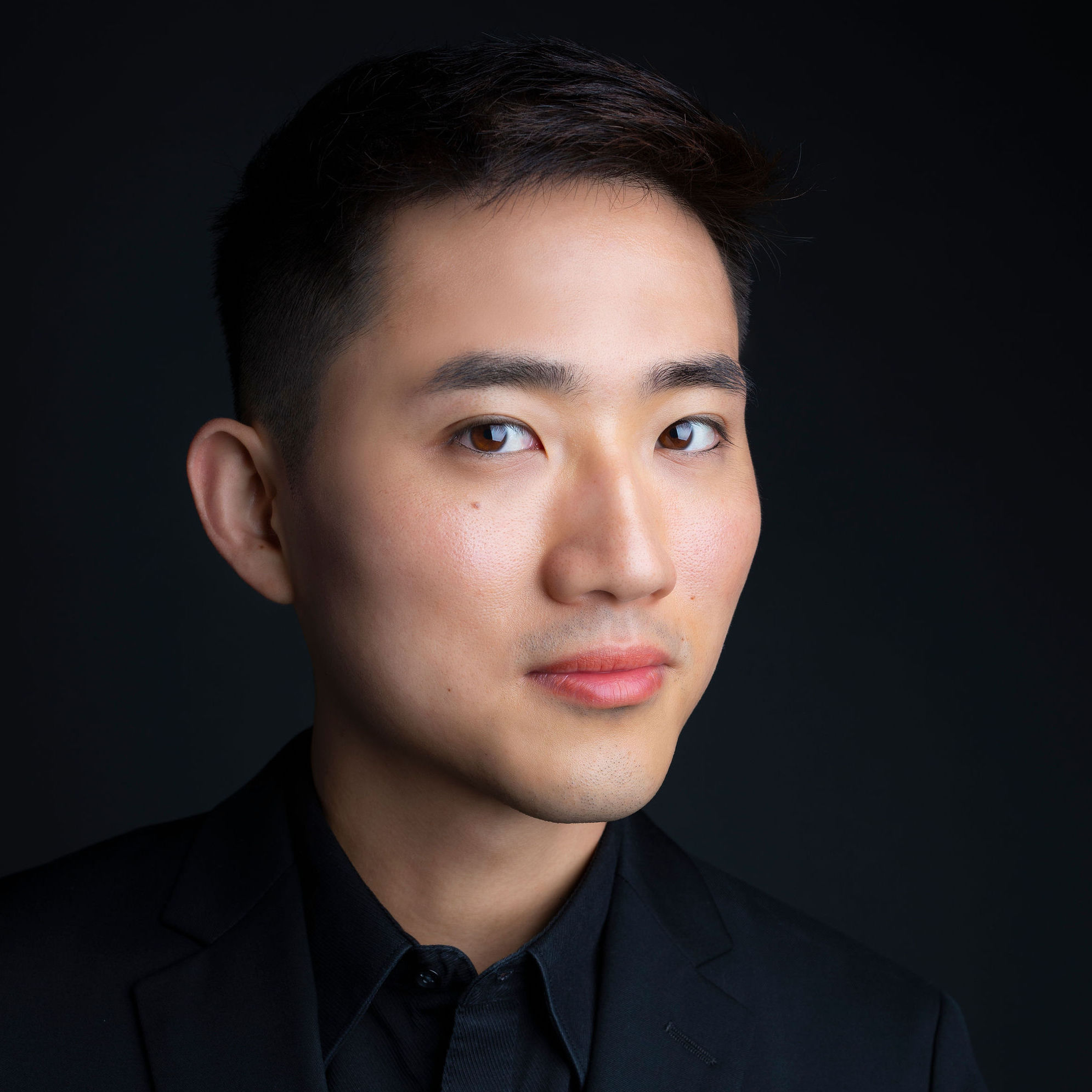
Wei En Chan
he/himTranslating my experiences performing early music, I am Assistant Professor of Theatre at Allegheny College, where I lead mainstage musical productions as Music Director. Outside of the classroom, I am a countertenor whose professional and personal life traverses Asia and North America. I am humbled to be on the board of Early Music America, serving as a committee member in Awards & Scholarships and co-chair of the IDEA Taskforce.
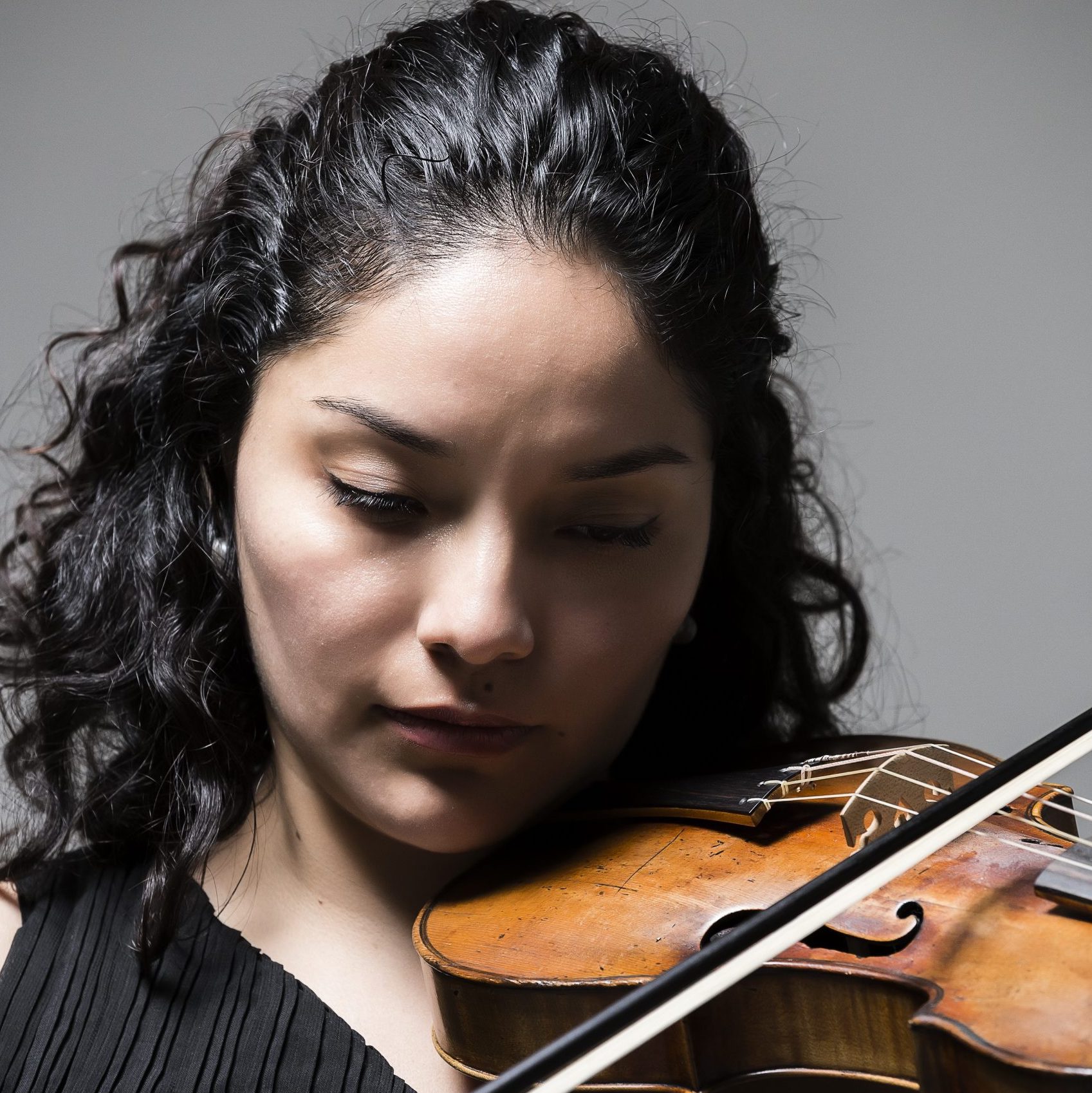
Karin Cuéllar-Rendón
she/herI am a Bolivian historical violinist and scholar interested in researching and presenting non-euro centered early music while recognizing the syncretism and connections with traditional music. I studied Historical Performance at Case Western Reserve University, Royal Academy of Music and currently pursue a PhD in Musicology at McGill University with a research focus on 19th c. performance practices in South America using as a case study the music of Peruvian composer Pedro Ximenez Abrill Tirado.
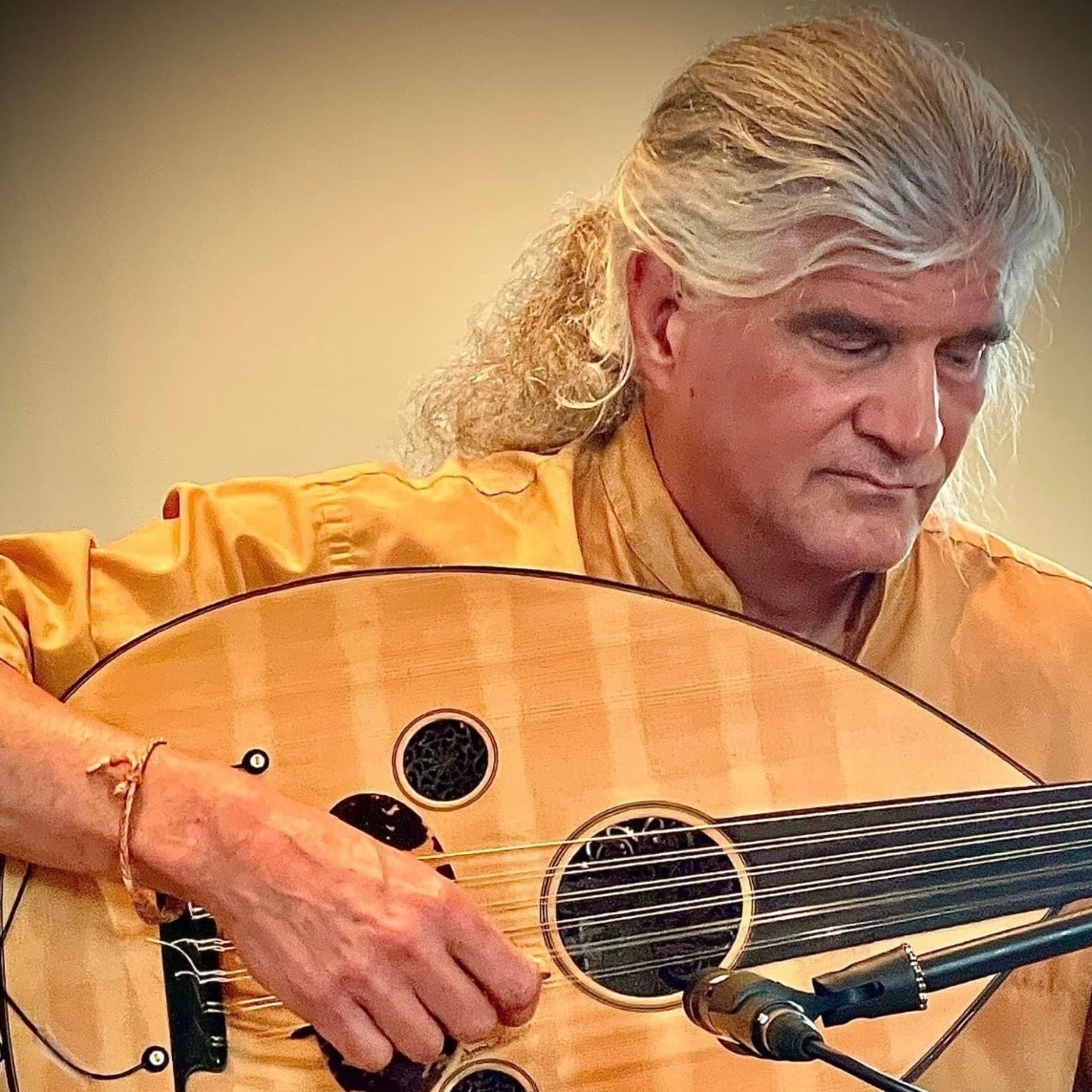
Gus Denhard
he/himI perform on lute and guitar family instruments from Europe, Asia, and Latin America and am a cofounder of the Eurasia Consort (NYC) and Trío Guadalevín (Seattle). I’ve served as Executive Director and Artistic Director of Early Music Seattle since 2000. In working to expand the definition of early music, I connect global ancient music traditions to recognize the cultural ties we share. I do this through artistic planning, concert presentation, research, teaching, writing, advocacy, and community service.
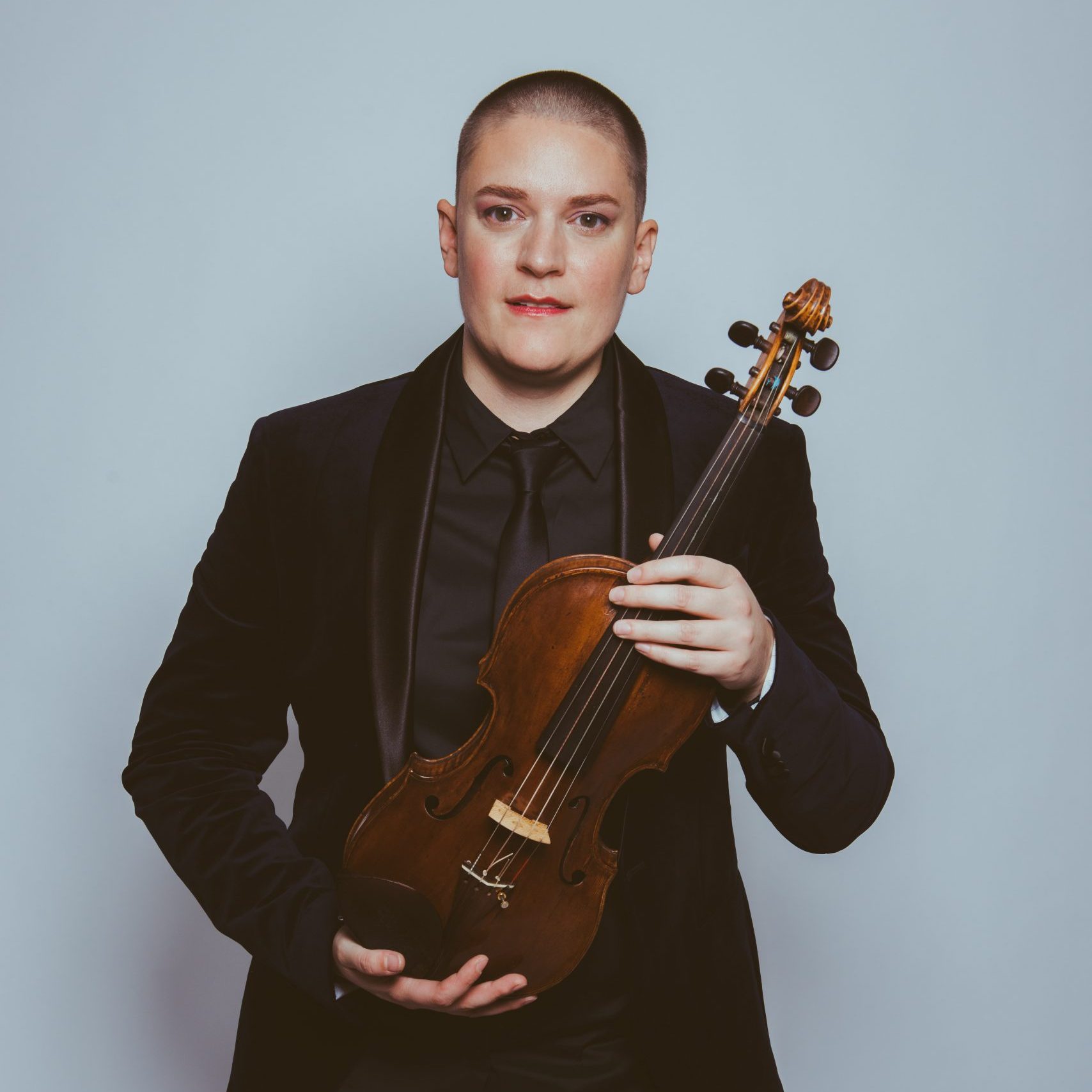
Keats Dieffenbach
they/them or anyI am active as violinist, violist, and curator in both modern and historical settings. I’m a recent graduate of Juilliard’s Historical Performance program and now live on unceded Abenaki land known as Southeastern Vermont. Having often felt out of place amongst the exclusionary culture of traditional classical music, I found a sense of belonging within our community of historical performers. As some of the most inventive and imaginative voices in classical music, early musicians are uniquely positioned to be leaders in pursuing equity, and I’m honored to join the IDEA Task Force in this work. I am bisexual and transmasculine, and I use any pronouns.
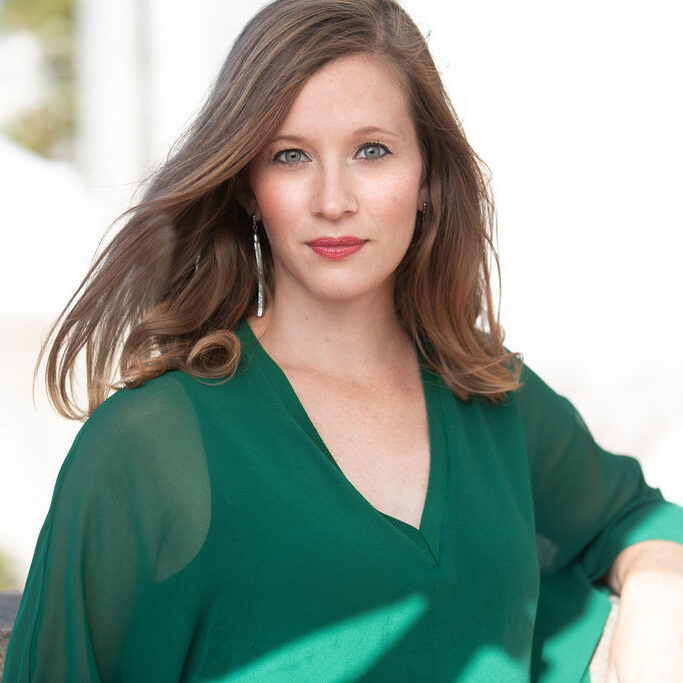
Katie Hickey
I am a professional soprano, Executive Director of Bach Collegium San Diego, and arts management consultant. I hold a Masters in Arts Administration and Cultural Policy from Goldsmiths College, University of London. I have been a co-founder of several Southern California organizations, including the San Diego Summer Choral Festival and The FF Collective—a nonprofit that amplified underrepresented voices in the arts. I believe in strengthening the arts and humanity through collaboration and find passion in celebrating the creative brilliance of artists.
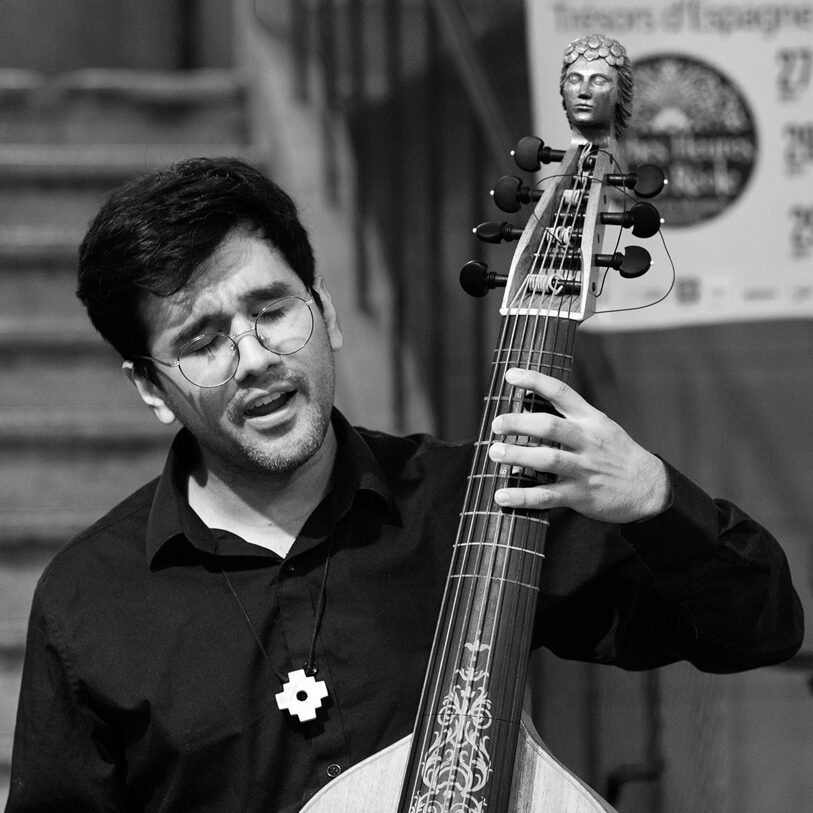
José Huamaní
he/himActive viol and violone player in Europe, I am part of the first generation of Peruvian musicians fully dedicated to early music. My mission is to represent not only the music of my culture, but also its musicians, understanding the challenges that non privileged musicians endure in an elitist world such as the Early music community. I created two ensembles focused on the inclusion of Latin American early music and its musicians, Ensemble Transatlantique and Auroras Mestizas. I am happy to join the IDEA to visibilize the voices that are usually left behind in music.
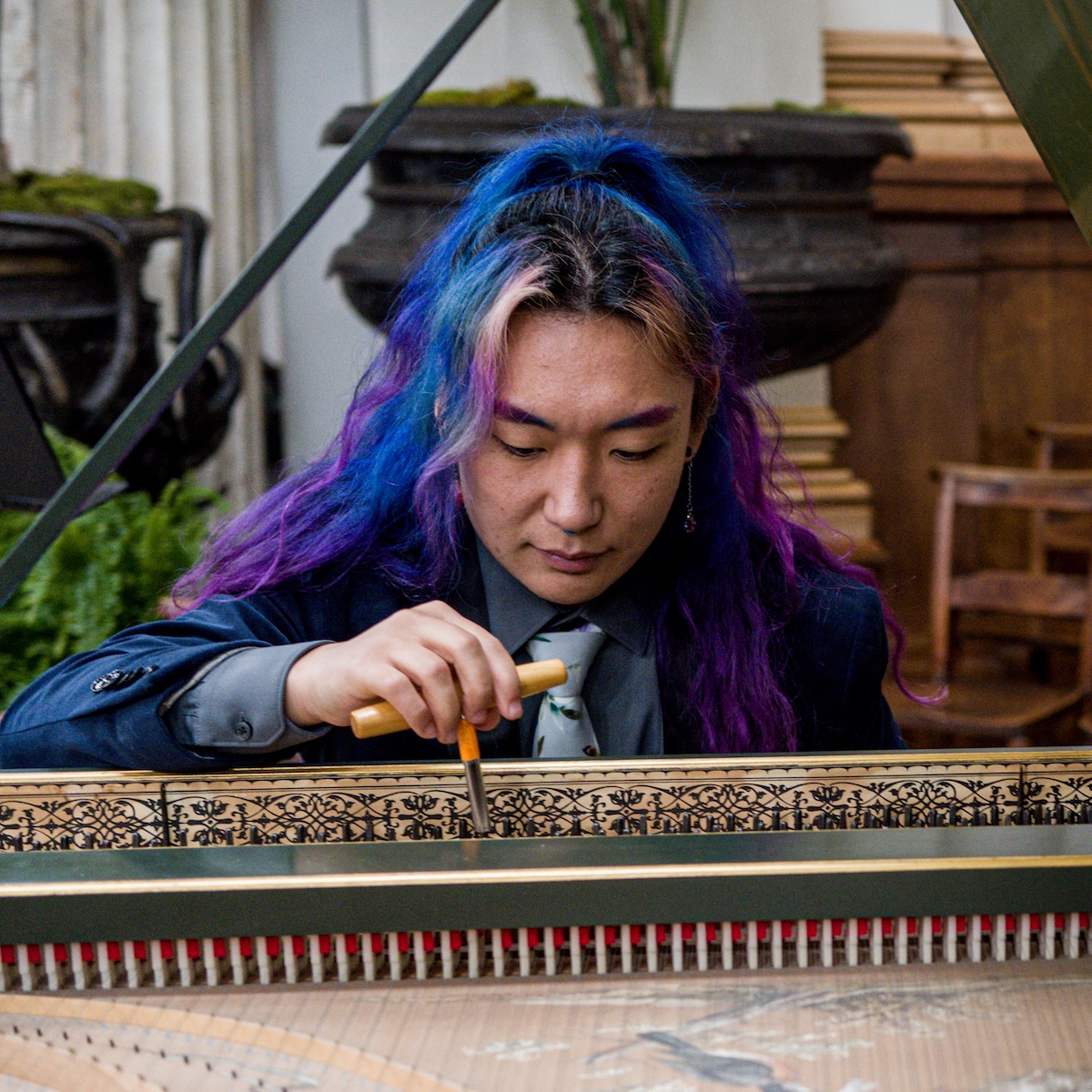
Yunyi Ji
he/himI am a Chinese-American harpsichordist/pianist based in Oakland, California. I am passionate about culturally holistic understandings of instruments and marrying distant cross-sections of performance practice — my repertory spans five centuries, and growing! Evident from history, diversity of experience and social change are ever-present conditions of civilization; the breadth of variation in our music is only a symptom of these qualities. I am a recent graduate of The Juilliard School’s historical performance department and I am a founding co-director of Parallax Concerts, an early music/new music series in the Bay Area.
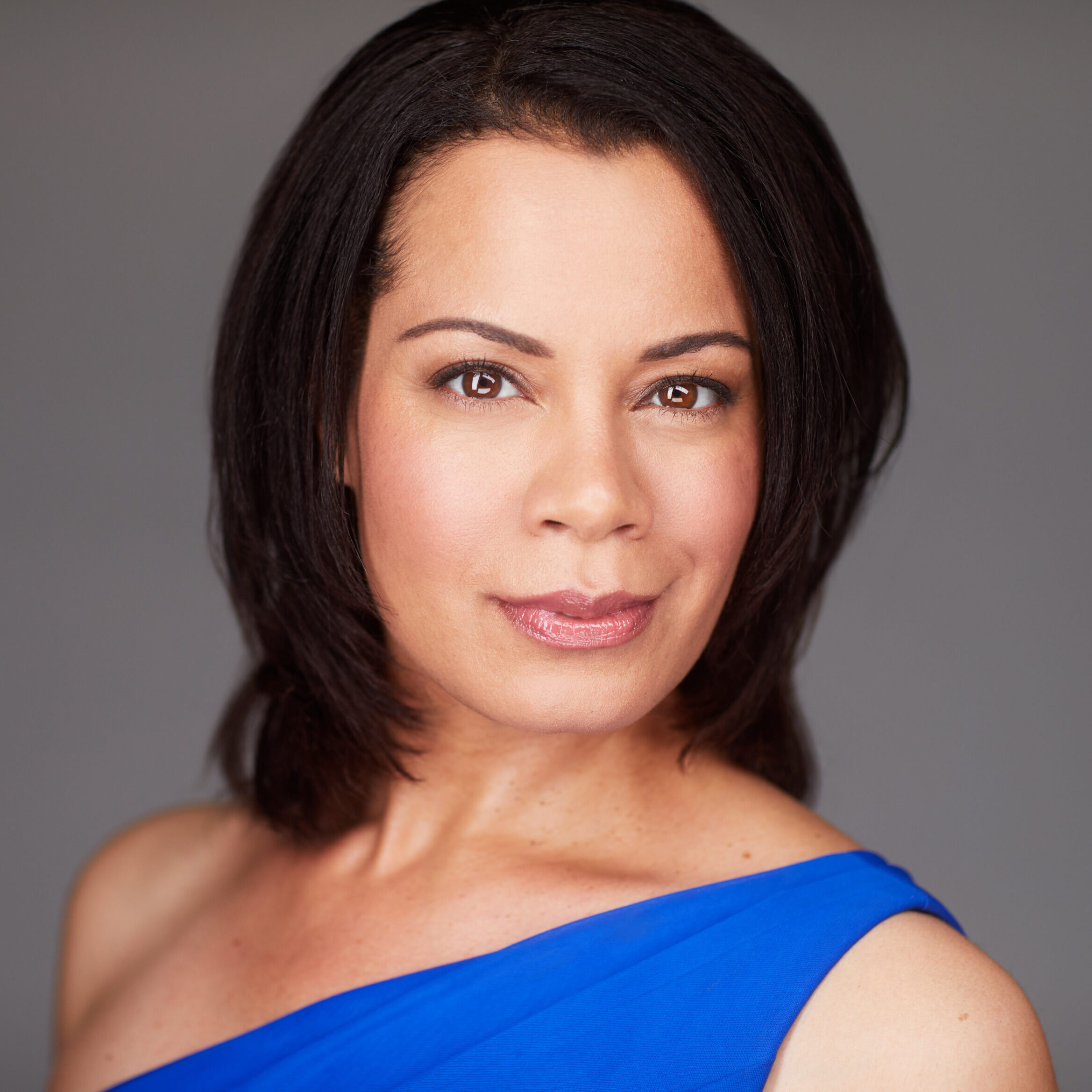
Michele Kennedy
she/herI am a vocal specialist in early and contemporary repertoire. From the great works of Bach and Handel to the art songs of Florence Price and Margaret Bonds, my career ranges from recitals to chamber music to full-scale oratorio. My favorite kind of work bridges the historic and the contemporary, and I love to use my voice to open doors for composers, performers, and directors deserving of wider recognition in the field. I’m a winner of the 2023 American Prize in Voice and the 2025 Berlin International Music Competition, and just released new recordings of trailblazing female composers with AGAVE, Monteverdi’s Vespers with The Thirteen, Medieval Advent carols with Concordian Dawn, and a Haitian song album – Lisette – with baritone Jean Bernard Cerin.
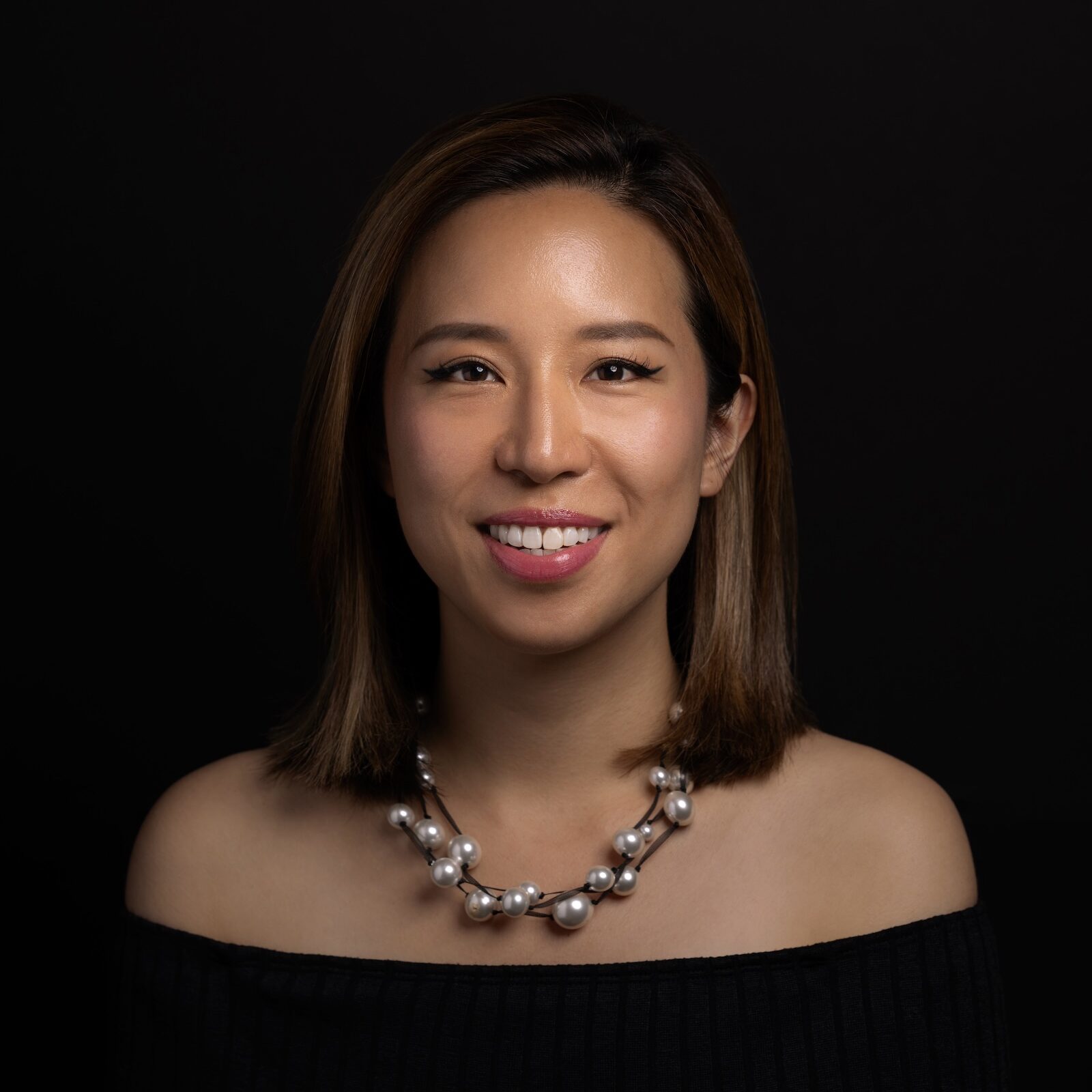
Jeannette Lee
I am Jeannette Lee, a Hong Kong–born mezzo based in Chicago. In my roles as singer, educator, and advocate, I balance artistic versatility with a commitment to equity. I serve as President of the Asian Opera Alliance and will join the University of Chicago’s voice faculty this semester. On the EMA IDEA Task Force, I aim to bridge artistic excellence with equity, amplify underheard voices, and reimagine institutional practices for a more just, vibrant early music community.
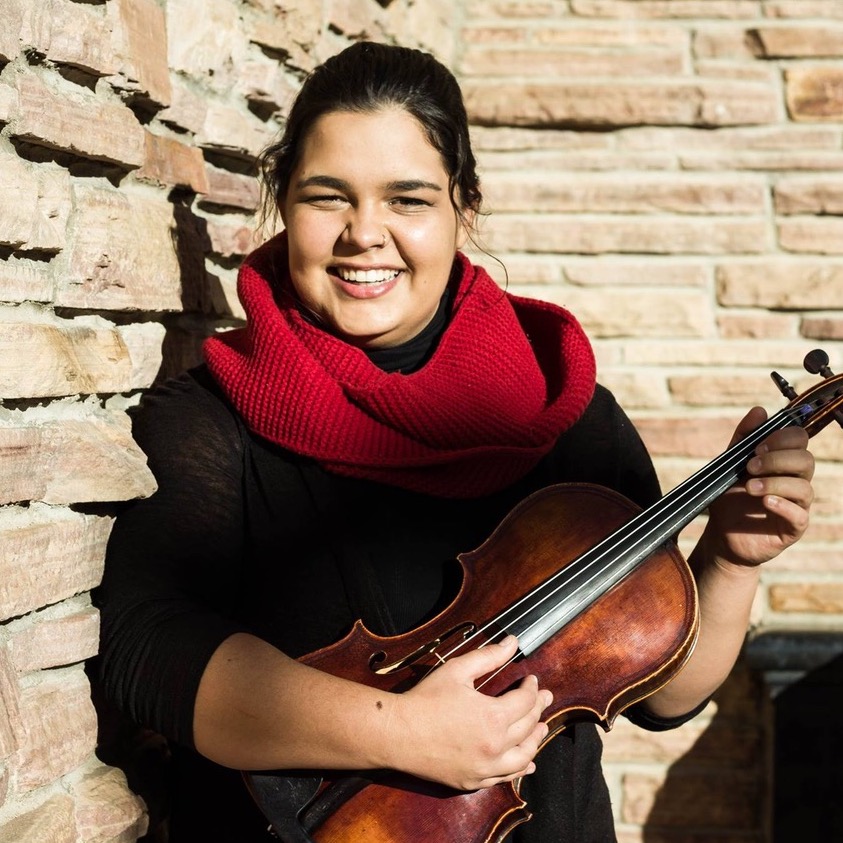
Breana McCullough
she/herAyukîi nanêefyiiv, my name is Breana McCullough and I am a Karuk violist and scholar currently researching Indigenous representation in Early Music. I hold degrees in Performance and Woman and Gender Studies from the University of Colorado, Boulder. I started to pursue my research at the Jacobs School of Music in the Historical Performance Institute but have since moved to Los Angeles to pursue my PhD in Ethnomusicology at UCLA. I am looking forward to contributing to the elevation of intersectional perspectives, alternative histories, and diversifying the field of Early Music with the IDEA task force.
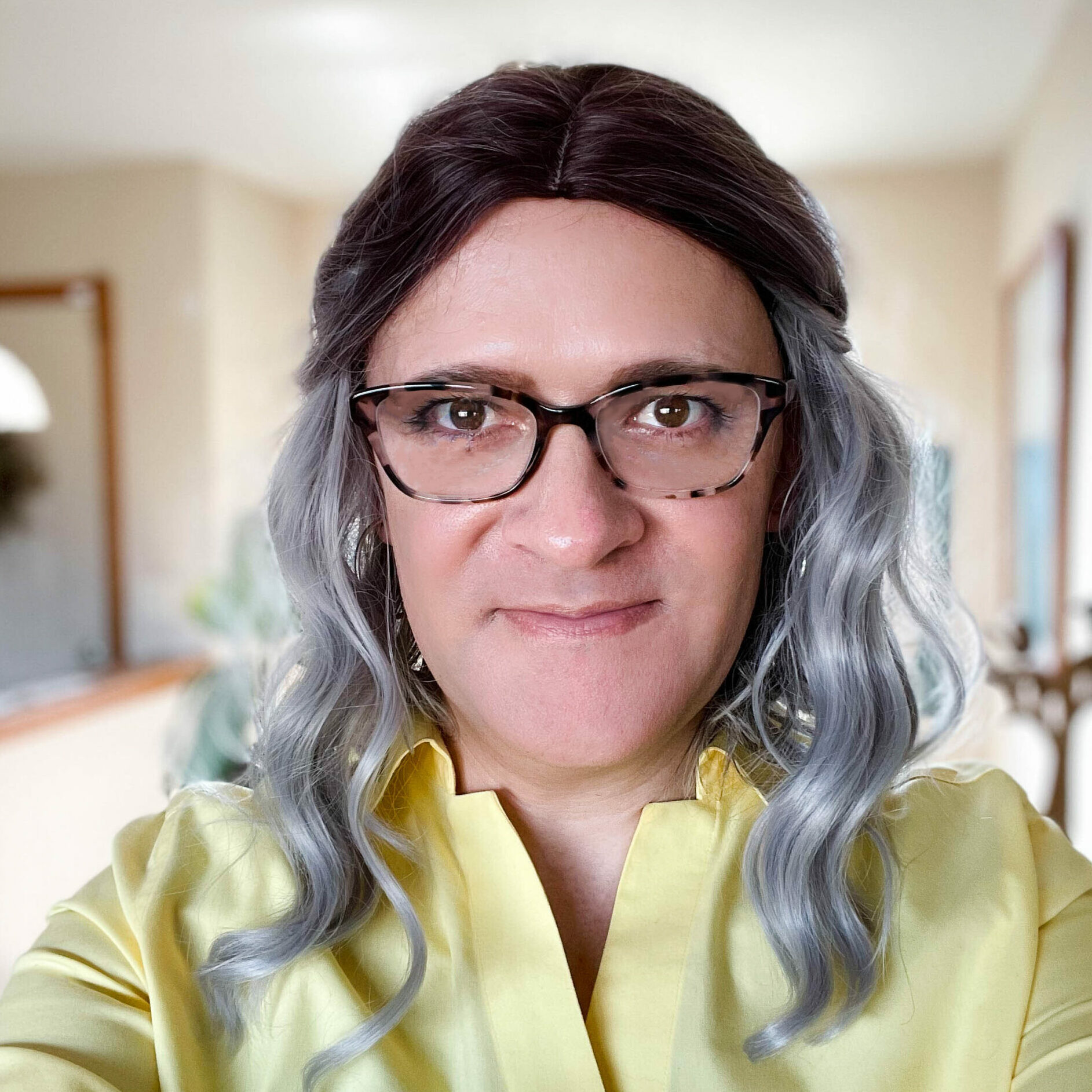
Anna Porcaro
she/herI began a life-long engagement with early music since a professor introduced me to the lute when I was an undergraduate music student. I perform on the lute, theorbo, and guitar and I earned a Ph.D. in musicology at the University of North Carolina. I currently am a full-time administrator at Wichita State University, and previously was a music faculty member at the University of Dayton. I serve on the Board of Directors for the Lute Society of America and until last year the Wichita Chamber Chorale. I’m working to promote diversity, equity, inclusion, and accessibility in music and higher education wherever possible.
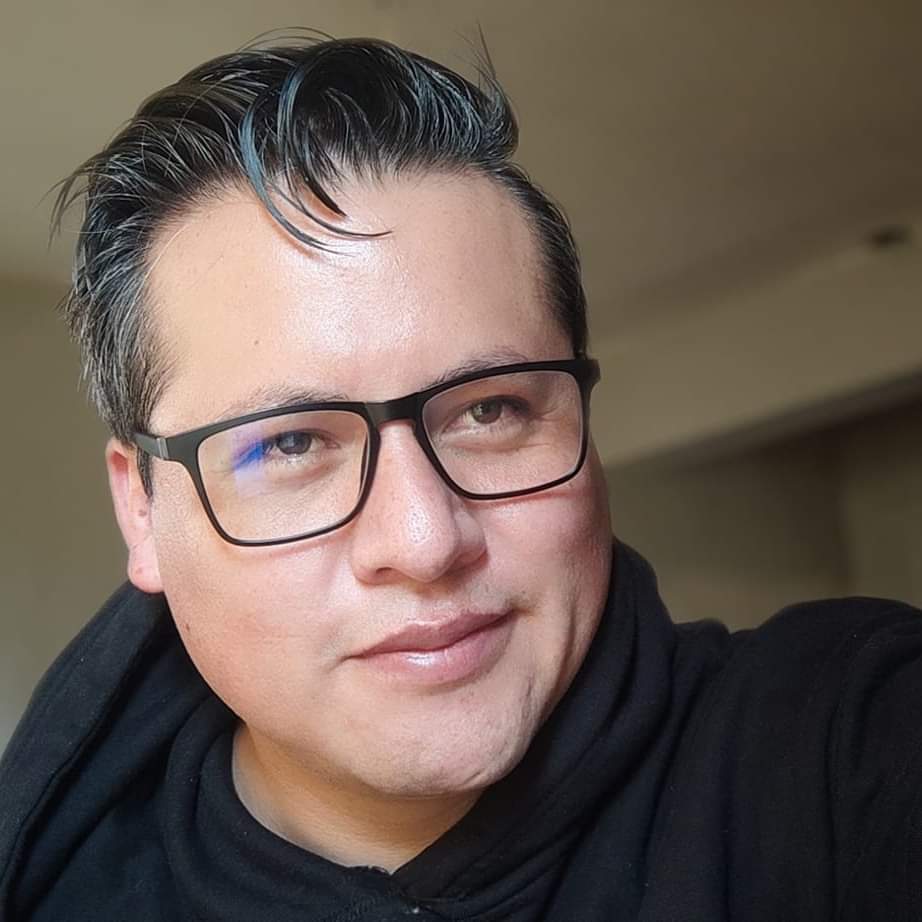
Eduardo Quintela
I am a Bolivian musician who has been working for years on the recovery and revaluation of indigenous American musical heritage and the interpretation of the repertoire of ancient American music preserved by indigenous peoples, addressing the aesthetic syncretism that this presents. Today, I am the coordinator of the Bolivian Musical Heritage Rescue and Revaluation project for the National Symphony Orchestra of Bolivia and a researcher in early American music for UNIR University and the Syncretic Ensemble.
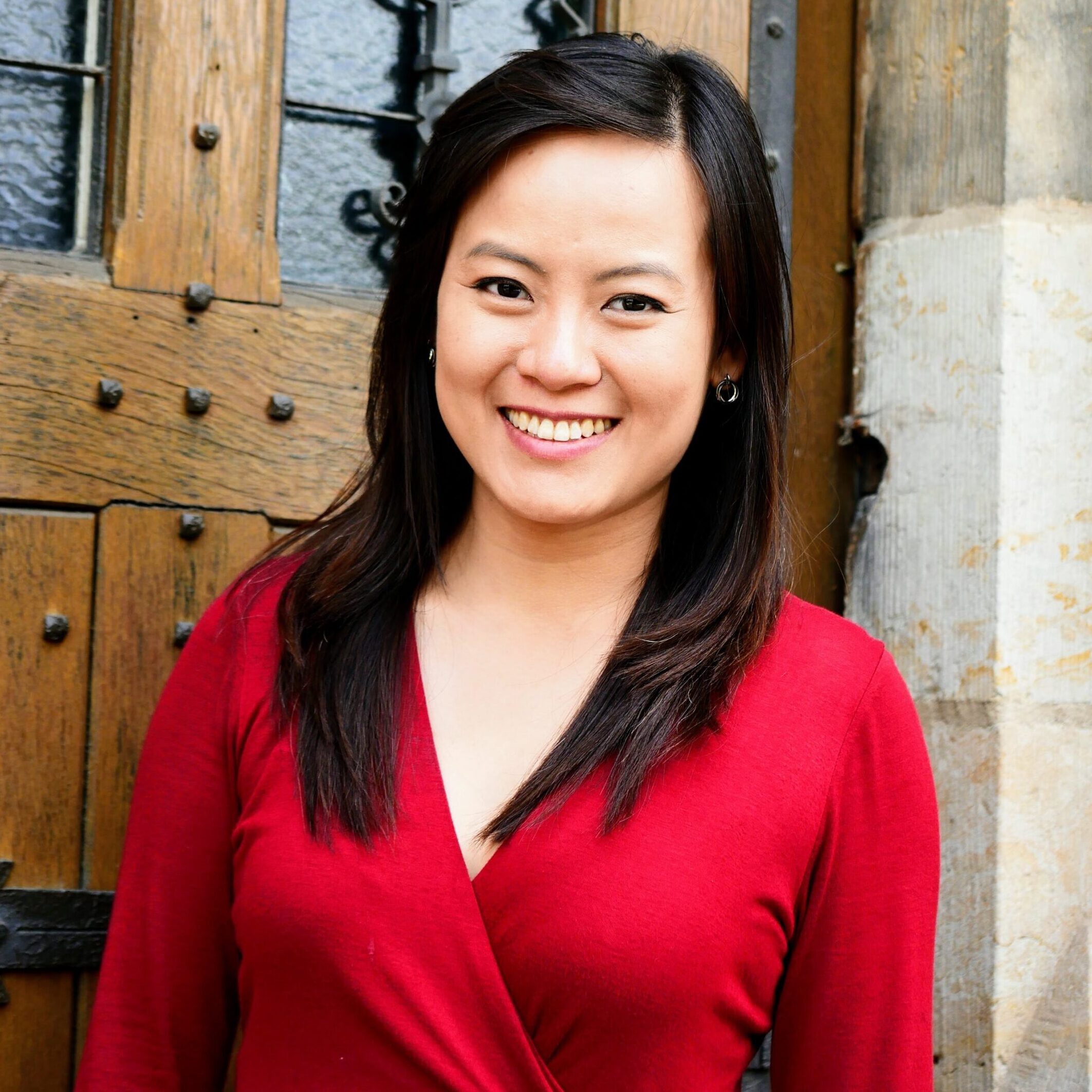
Qin Yin Tang
I’m a harpsichordist and baroque dancer who has performed throughout the USA, Europe, and much of Southeast Asia. I currently teach at Cleveland Institute of Music and also serve as artistic director of The Resonance Project and CLE Concierto. More information about can be found at qinyingmusic.com