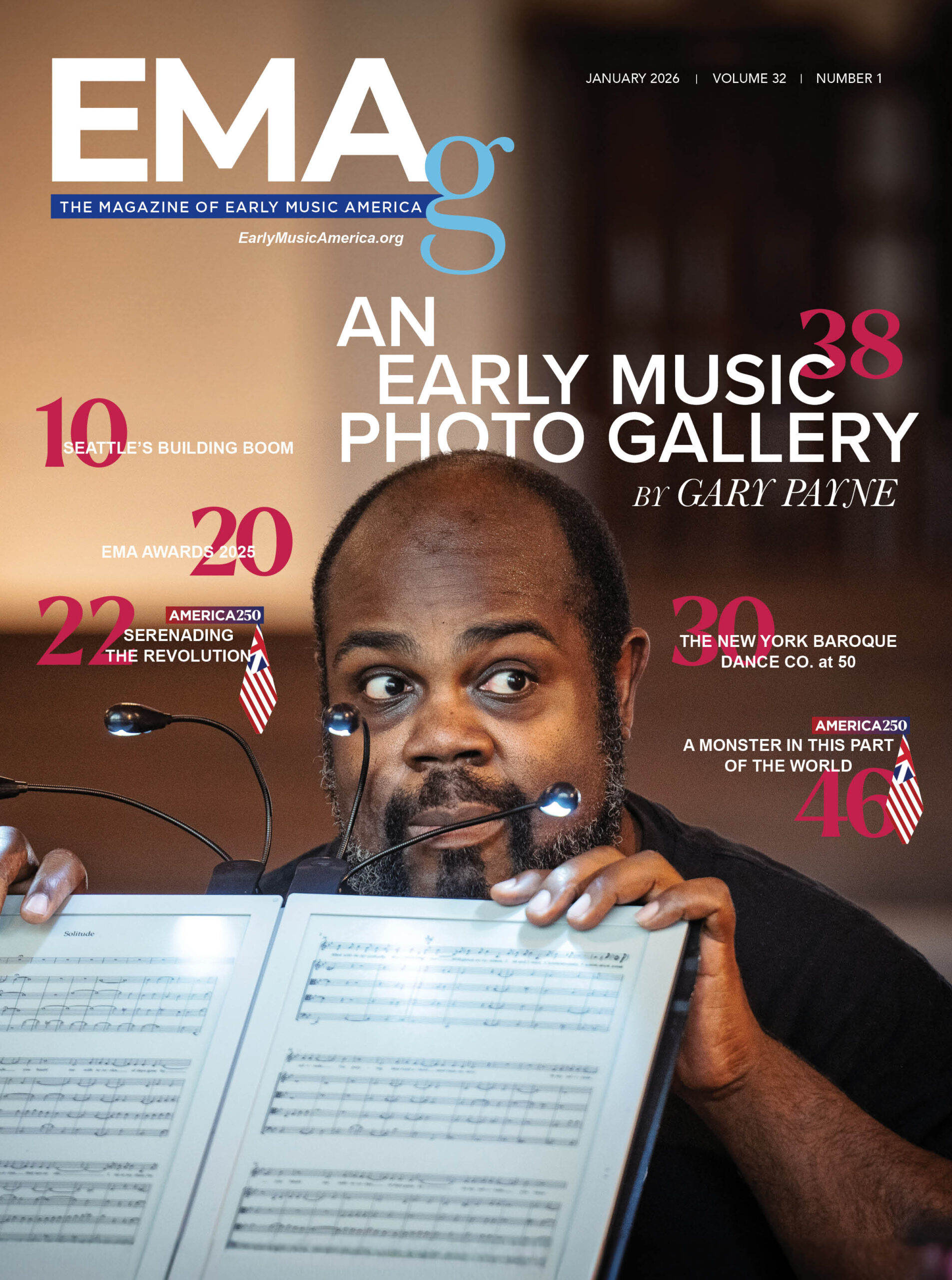
Included in the Full Issue
- Seattle’s Building Boom by Thomas May
- EMA Awards 2025
- America250: Serenading the Revolution by Dominic Giardino
- The New York Baroque Dance Company at 50 by Patricia Leigh Beaman
- An Early Music Photo Gallery by Gary Payne
- America250: A Monster in This Part of the World by Sophie Genevieve Lowe
- From the Publications Director: An Inherent Messiness by Pierre Ruhe
- From the Executive Director: Is ‘Authenticity’ Really a Dirty Word? by David McCormick
- EMA Courant: News from Around the Early-Music Community by Paulina Francisco
- Canto: Singing, Mental Health, and the Arts by Cecilia Duarte
- EMA’s Recording & Book Reviews
- EMA 2025 Membership List of Individuals and Organizations
- EMAg Puzzle: Musical Acrostic #1 by Elisa Sutherland
- Musings: Programming for the American Experiment by Thomas Forrest Kelly
Current EMA members can read this and previous issues of EMAg at any time.
Please login or become a member today!
Features
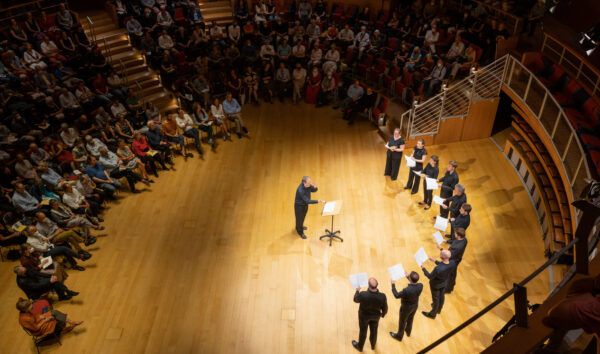
Early Music on Tour. Who’s Buying?
Presenters and university concert series have been a place to catch some of the best period instrument ensembles on tour. We speak with a range of presenters and learn that while that’s becoming a harder sell at some venues, other locations have a loyal audience with open ears.
Canto: Singing, Mental Health, and the Arts
‘A fellow vocalist,’ writes Cecilia Duarte, ‘mentioned to me that whenever she was onstage, she would hear the voices of every person that had ever criticized her. It became clear to me that our artistic community had a huge need…’

Musings: Programming for the American Experiment
From Tom Kelly’s Musings column: ‘I can’t wait to see what early music will be programmed, and in what context, to commemorate America’s 250th… We must engage with cultural history more than ever — and we pick which slice of that history suits our ensemble and community.’
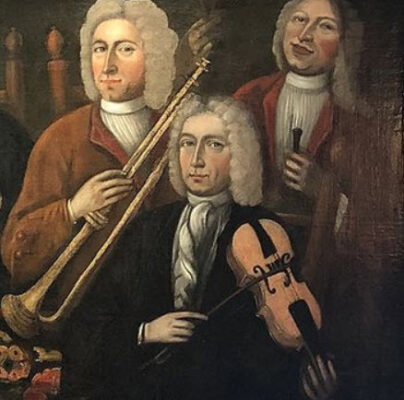
A Monster in This Part of the World
The rise of public concerts in the 1720s and ’30s was in indicator of social innovations that would come to the fore during the American Revolution. Remarkably, colonial America produced musicians and paying audiences needed for public concerts not long after the trend started in Europe. But not everyone on our shores approved.
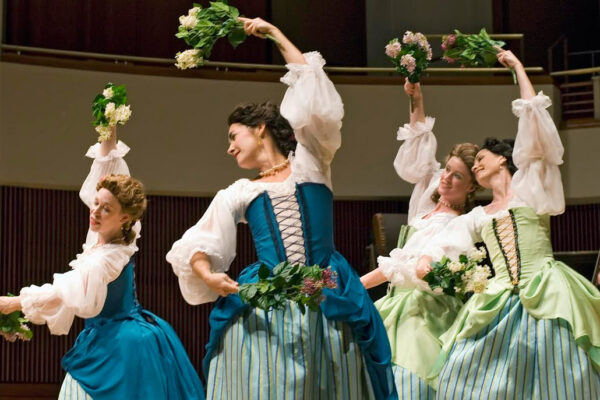
The New York Baroque Dance Company at 50
The New York Baroque Dance Co. and its co-founder, Catherine Turocy, celebrate a half-century of bringing historical dance to stages across America and Europe. They’ve set the high standard for Baroque dance performed in the U.S.