by EMA Staff
Published December 18, 2023
As 2023 comes to a close, check out EMA’s 10 most popular features and reviews from the world of early music. For more news, profiles, and ideas, subscribe to EMA’s weekly E-Notes newsletter.
#10

Canto: Toward a Rebirth of Renaissance Choral Repertoire
Why is Renaissance choral music mostly absent in U.S. schools? From an emphasis on living composers and ‘vertical’ harmonies to choral directors themselves unfamiliar with the repertoire, there’s a lot to discuss.
A choir director asks the questions and offers possible solutions.
#9
21st Century Baroque
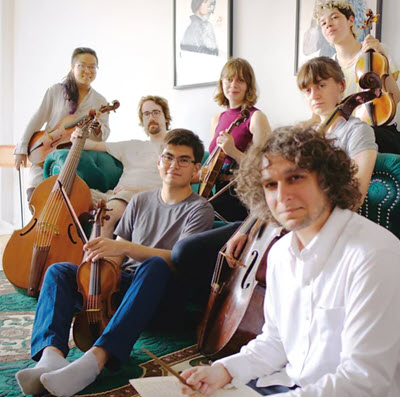
Meet Nuova Pratica, a stylish ensemble with a progressive-retro attitude. They reject the notion that everything’s already been said in the Baroque language. By re-opening the book on Baroque composition, their new works are at turns fresh, varied, and imaginative.
#8
250 Years Ago, a Black Composer Etched Anti-Racism into his Music
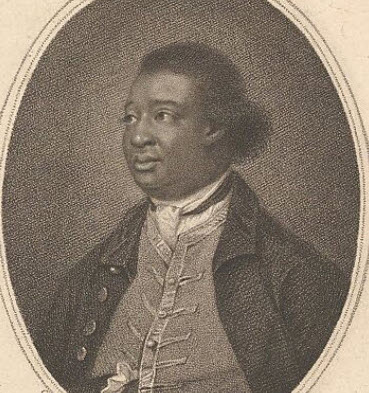
Likely born into slavery, working as a butler and shopkeeper, Ignatius Sancho became an accomplished writer and composer. Embedded in his published music, the author argues, are anti-racist ideals that rejected British cultural norms.
#7

The 10 Hosting Commandments
With the season in full swing and the holidays fast approaching, it’s a good time to revisit one of the most-read EMA stories of 2023. First published in January, it’s a top-10 list of “home stay” dos and don’ts. An early-music host shares his tips for making a home stay easy and low-stress for everyone. Share it with anyone who invites musicians into their house…and traveling musicians will be grateful.
#6

Hearing New Sounds from Very Old Instruments
There’s much to learn about period instrument via the sounds they’re capable of making. Composers today are exploring the edges of historical performance practice in fresh and unexpected ways.
#5
A Mystery Instrument of Old New England
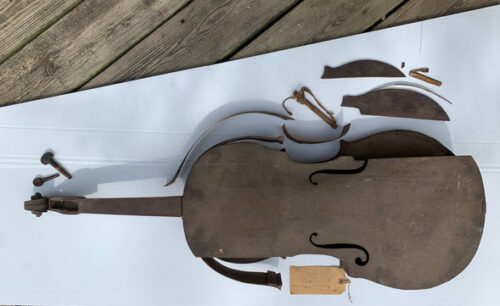
It was hidden for more than a century in the basement of an old house. The instrument’s discovery offers important hints about a forgotten history of New England ensemble string playing.
#4
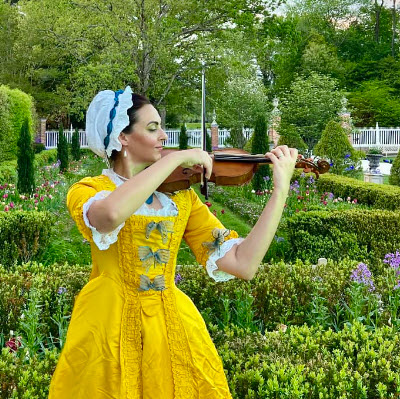
Period Instruments? Yes. Period Costumes? Uh…
Are clothes of the period part of a historically accurate performance? Opinions vary about what constitutes an acceptable period outfit, but advocates of historical attire in early music have one thing in common: They believe the costume helps enrich the music’s context.
#3
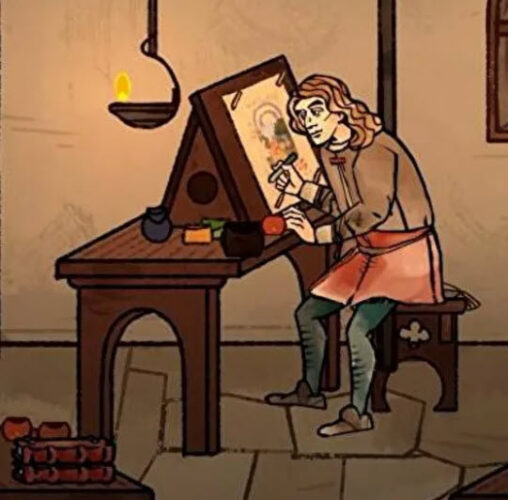
Early Music Rocks the Video Game Universe
Video games generate more revenue than the movie industry, and many games are set in ‘legendary times’ that cry out for an early music soundtrack. As technology improves, many games employ early music not just as background but as element of play.
#2
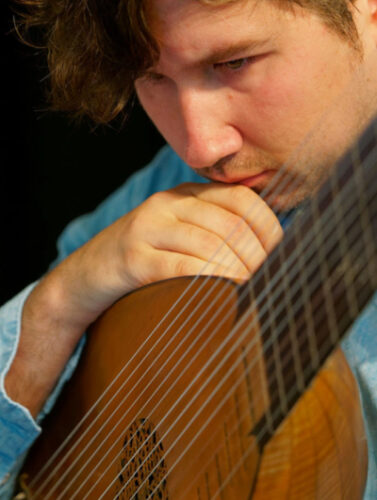
The Unmistakable Sound of Thomas Dunford
The French-American lutenist is on an unstoppable rise to the top of the international early-music scene.
#1
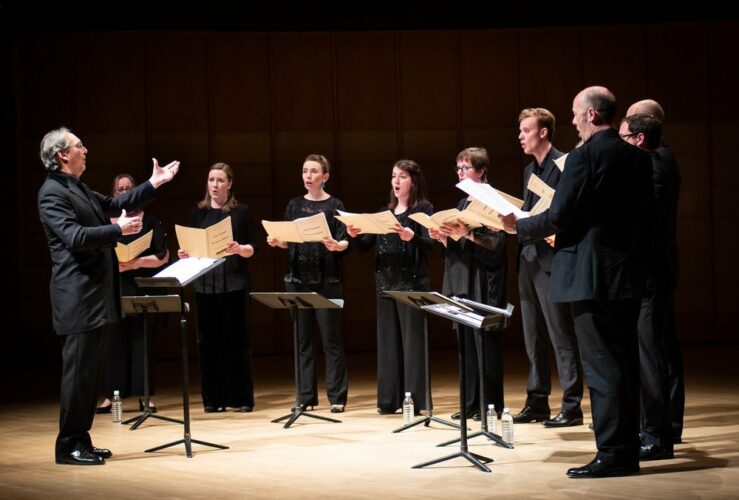
CANTO: Let’s Talk About the English Choral Tradition
“Historically, the shorthand way of achieving an ‘English sound’ has been to ask singers to ‘straighten that out,’ which can often lead to physical tension, fatigue, burn out, and resentment. The word ‘straight’ has been so overused and developed such a reputation that it fills many singers with indignation…”
Recent EMA Features
When the Music Fades: REMA’s 2025 Early Music Survey
In its annual survey of the field, REMA-European Early Music Network received alarming input from its members on funding cuts. The impact will be felt across the sector, even as many European organizations rely heavily on public subsidies. It may mean 'fewer concerts, safer and less diverse programming, less work for independent musicians, and more pressure on organizations that were already trying to hang on.'
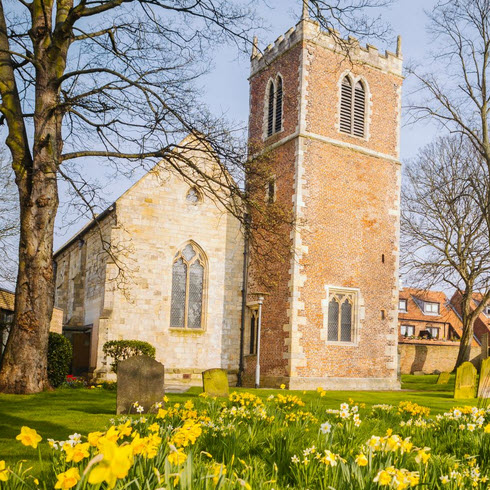
A Half-Century of the York Early Music Festival
Hailed as the top of its field, the York Early Music Festival celebrates a milestone anniversary in 2026 with a deluxe calendar of celebrated and emerging artists. Across its 50 years, they've made 'important scholarship come to life through vibrant and sometimes bewildering performances.’
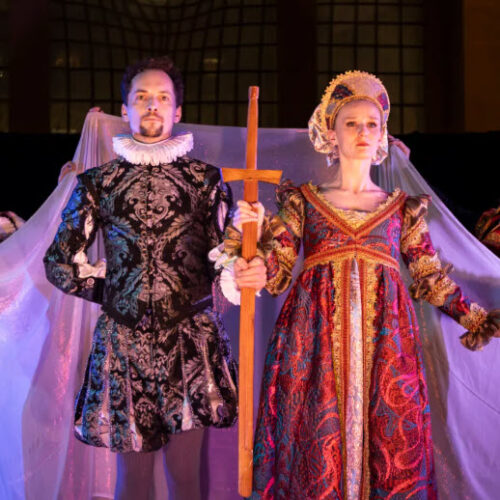
When Good Music Happens to Really Bad People
Last week, on Friday the 13th, New York's Music Before 1800 hosted the U.S. premiere of 'Death of Gesualdo,' a ghostly retelling of the Renaissance composer's life and grisly crimes, set to his avant-garde music. Performed by puppets, actors, and the British vocal ensemble the Gesualdo Six, the show is the latest from Bill Barclay, whose 'Secret Byrd' was a revelation for putting ancient music in a profoundly living context.